Explore Sunscreens for Everyday and Outdoor Protection
Sunscreens are topical products designed to help protect exposed skin from ultraviolet (UV) radiation. They come in a range of formulas for daily routines, sports, beach outings, and other time outdoors. Options include lightweight facial lotions, body creams, mineral formulas, sprays, and sticks for targeted application. When comparing products, shoppers commonly look for a sun protection factor (SPF) rating, broad-spectrum labeling, texture, and a finish that suits their skin and routine. Sunscreen is one part of sun protection, alongside shade and clothing that covers the skin. Ubuy offers a way to discover sunscreens and related products from international selections, including formulas that may differ in texture, format, or ingredient preferences. Checking product details helps narrow choices before purchase.
- Formats for face, body, and targeted application
- Compare SPF, broad-spectrum labeling, and finish
- Consider sunscreen alongside other sun-protection measures
Compare Sunscreen Types and Formats
Lotion and cream sunscreens are versatile choices for covering larger areas and can suit dry or normal skin, depending on their formula. Gel and fluid textures often feel lighter, while some facial products are designed to layer under makeup or skincare. Mineral sunscreens use zinc oxide, titanium dioxide, or both as active ingredients; chemical formulas use other UV filters. Sprays can be convenient for body application, though careful, even coverage remains important. Sticks are useful for smaller areas such as the nose, ears, or around the eyes, provided the label indicates the intended use. Tinted sunscreens combine sun protection with visible color, and sport-oriented options may be formulated for active routines. Choose the format you can apply evenly and comfortably, rather than relying on format alone to determine protection.
- Lotions, creams, gels, fluids, sprays, and sticks
- Mineral, chemical, and tinted formulas
- Match the format to coverage needs and routine
Understand SPF, Broad-Spectrum Labels, and Water Resistance
SPF, or sun protection factor, is a product label used to describe protection against UVB radiation under specified testing conditions. Broad-spectrum labeling indicates coverage that includes UVA as well as UVB; reading the full package helps clarify the product's stated protection and directions. A higher SPF does not mean sunscreen can be applied less often or used as the only sun-protection measure. Some products are labeled water-resistant for a stated period, which can be relevant for swimming or sweating, but no sunscreen should be treated as waterproof. Reapplication guidance and usage instructions vary by product, so follow the label. Brands such as Neutrogena and La Roche-Posay offer recognizable examples across sunscreen ranges, but compare the specific product's labeling, texture, and intended use rather than choosing by brand name alone.
- Check SPF and broad-spectrum information
- Read water-resistance details and directions
- Do not treat any sunscreen as waterproof
Choose Ingredients and Textures for Your Skin Routine
The feel of a sunscreen can influence whether it fits comfortably into a daily routine. People who prefer a lighter finish may compare fluid, gel, or non-greasy lotion textures, while richer creams can suit those seeking a more emollient feel. Mineral formulas are often considered by shoppers looking for zinc oxide or titanium dioxide, while other formulas use different UV filters. Ingredients such as fragrance, emollients, or tint may also matter when comparing personal preferences and existing skincare products. For sensitive or reactive skin, review the complete ingredient list and product directions, and consider a small-area test if appropriate. Facial sunscreens, body sunscreens, and products for children may have distinct directions or intended uses. Avoid assuming that a formula suitable for one person or body area will suit every routine.
- Compare texture, finish, and ingredient lists
- Look for facial, body, or child-oriented products
- Consider how sunscreen layers with existing skincare
Use Sunscreens Effectively with Accessories and Care
Sunscreen works best as part of a consistent sun-care routine. Apply the product according to its directions, covering exposed skin evenly and allowing for any stated application guidance. Reapply as instructed on the label, especially after activities such as swimming or sweating when product directions call for it. A hat, sunglasses, protective clothing, or a beach cover-up can complement sunscreen during outdoor activities. Keep containers closed and follow storage instructions on the packaging; changes in appearance, texture, or smell may be a reason to replace a product. When shopping on Ubuy, shoppers can compare sunscreen formats alongside related sun-care accessories and review product descriptions for intended use, ingredients, and application details. For travel or everyday carry, consider container size and whether the format is practical for the places and activities in your routine.
- Follow application, reapplication, and storage directions
- Pair sunscreen with clothing, hats, or sunglasses
- Compare product details and useful accessories
Select the Right sunscreens
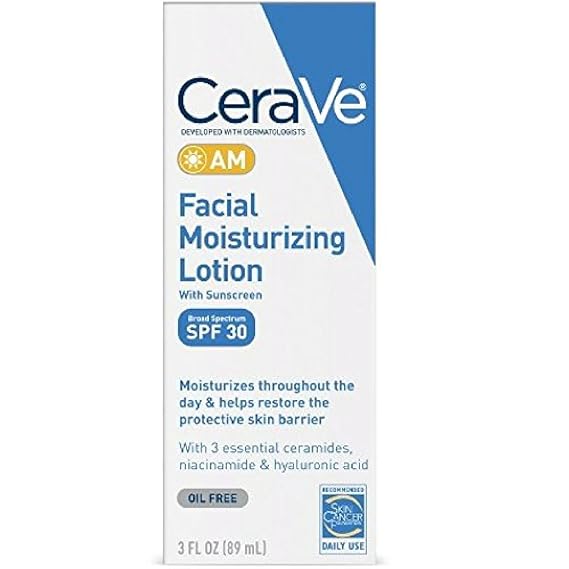
Start by identifying where and how you plan to use sunscreen: daily facial wear, body coverage, outdoor exercise, or family routines. Then compare broad-spectrum labeling, SPF, texture, active ingredients, water-resistance information, and any stated age or area limitations. Check whether the finish works with your preferences and other skincare, and choose a format that makes even application manageable. If you are comparing products from brands such as CeraVe, ISDIN, or Neutrogena, assess each individual formula rather than assuming products within a range are identical. Review the packaging for directions, ingredient details, and storage guidance before making a decision. Ubuy can help shoppers discover international sunscreen products and compare options by type and product information. A considered choice balances stated protection, personal comfort, practical application, and the activities the product is intended to support.
- Match product use to your routine and activities
- Compare label details, ingredients, and texture
- Review directions and intended-use information