Explore Musical Instrument Types and Playing Styles
Musical instruments support a wide range of musical traditions, skill levels, and performance settings. The main families include string instruments, such as guitars, violins, and ukuleles; keyboards, including acoustic pianos and digital keyboards; wind instruments, such as flutes and saxophones; and percussion, from drum kits to hand drums. Each family offers a different playing experience, sound, and learning curve. Consider whether the instrument is intended for solo practice, ensemble playing, recording, lessons, or live performance. Beginners may prefer accessible instruments with straightforward setup, while experienced players may seek specialized configurations or a particular tone. Ubuy can help shoppers discover instruments and related products from international sellers. Comparing product types by intended use, playing style, and available space is a practical starting point before narrowing down features.
- Compare instrument families by sound and technique
- Match the instrument to your playing goals
- Consider practice space and performance setting
Compare String Instruments, Guitars, and Accessories
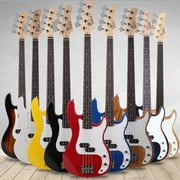
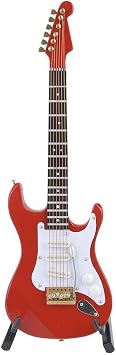
String instruments produce sound through vibrating strings, but construction and playing technique vary considerably. Acoustic guitars create sound through a hollow body, while electric guitars rely on pickups and typically connect to an amplifier. Classical guitars use nylon strings, which feel different from steel strings; bass guitars provide lower notes for rhythm sections. Violins, cellos, and ukuleles serve other musical roles and require their own accessories and setup. When comparing guitars, check scale length, body shape, neck profile, pickup type, number of strings, and tuning stability. Materials such as spruce, mahogany, maple, and rosewood can influence feel and tonal character, though construction and design matter too. A practical purchase may include a compatible case, strap, tuner, picks, spare strings, or bow and rosin, depending on the instrument.
- Distinguish acoustic, electric, classical, and bass guitars
- Check scale length, pickups, and string type
- Plan for a suitable case, tuner, and care accessories
Keyboards, Digital Pianos, and Electronic Instruments
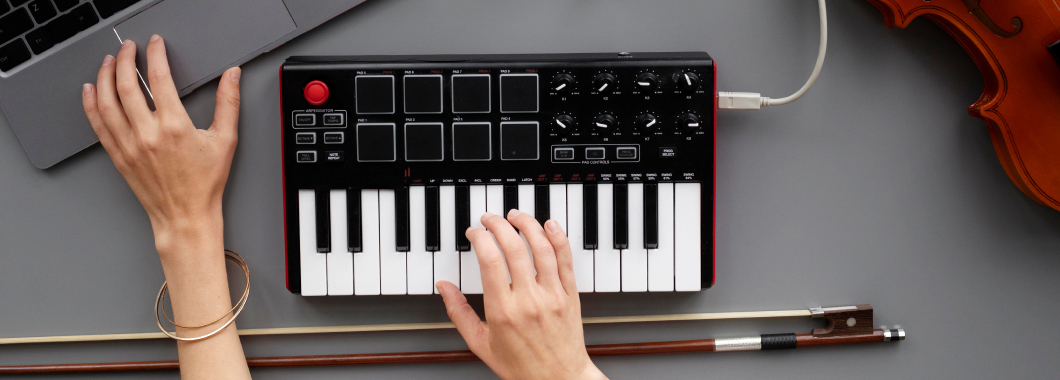
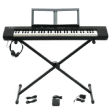
Keyboard instruments range from acoustic pianos to portable digital keyboards, stage pianos, synthesizers, and MIDI controllers. Acoustic pianos use hammers and strings, whereas digital pianos reproduce piano sounds electronically and may offer headphone connections, recording functions, and multiple voices. Touch-sensitive keys respond to playing dynamics; weighted or hammer-action keys are designed to feel closer to an acoustic piano. Synthesizers focus on creating and shaping electronic sounds, while MIDI controllers send performance data to compatible music software or hardware and may not produce sound independently. Compare key count, key action, built-in speakers, polyphony, sound library, connectivity, and available controls. Check whether a stand, sustain pedal, power supply, bench, or headphones are included or need to be purchased separately. Yamaha and Roland are widely recognized names across several keyboard categories.
- Compare key action, sound options, and portability
- Check MIDI, USB, audio, and headphone connections
- Confirm what is included in the package
Wind and Percussion Instruments for Practice and Performance
Wind instruments create sound through air moving across an opening or through a reed or mouthpiece. Flutes, clarinets, saxophones, trumpets, and recorders differ in fingering, embouchure, materials, and maintenance needs. Brass and woodwind instruments may be made from metal, wood, or other materials, so review construction and included mouthpieces rather than assuming the instrument family determines its material. Percussion covers pitched instruments such as xylophones and unpitched options such as snare drums, cymbals, tambourines, and cajóns. Drum kits can be acoustic or electronic; electronic kits use pads and a sound module and may support headphone practice. Consider instrument size, adjustability, sound level, tuning requirements, and the availability of replacement parts. A music stand, cleaning swab, reed, drumsticks, mallets, or ear protection may be useful additions.
- Compare mouthpiece, reed, and fingering requirements
- Choose percussion by sound, size, and playing context
- Check care supplies and replacement-part needs
Features, Compatibility, and Instrument Care
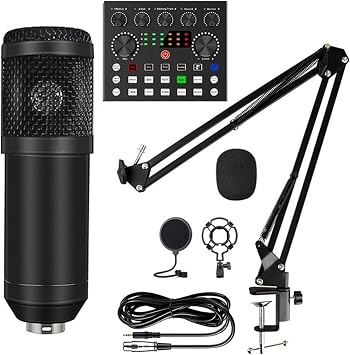
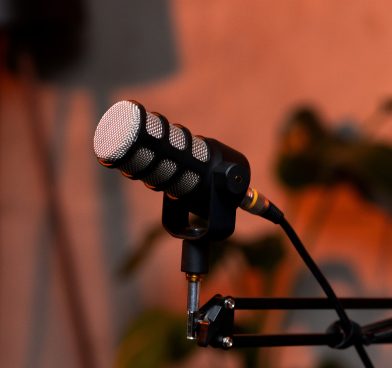
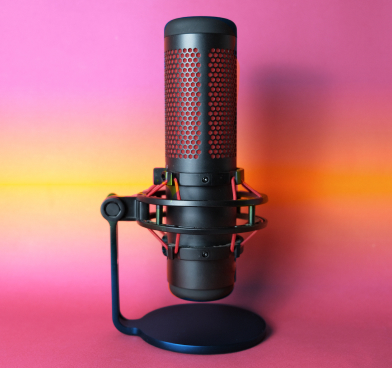
Useful features depend on how an instrument will be played and maintained. For amplified instruments, check output connections, pickup configuration, amplifier compatibility, and whether cables are included. Digital instruments may connect through USB, MIDI, Bluetooth, or audio outputs; verify that the connections work with intended devices and software. For acoustic instruments, inspect dimensions, finish, hardware, and adjustability, and consider whether setup by a qualified technician may be appropriate. Accessories should fit the instrument rather than simply look similar: cases depend on body dimensions, while strings, reeds, drumheads, and mouthpieces need compatible specifications. Regular care can include wiping surfaces after use, storing instruments safely, changing consumable parts, and following manufacturer guidance for humidity, cleaning, and tuning. Ubuy offers a place to explore international instrument options and compare product details before selecting a compatible setup.
- Verify connections and accessory compatibility
- Review dimensions, included components, and setup needs
- Follow care guidance for the instrument's materials
Select the Right musical instruments
Start with the player's experience, musical interests, and realistic practice routine, then shortlist instruments suited to those needs. Beginners can prioritize comfortable sizing, manageable setup, clear specifications, and essential accessories; advancing players may focus on tonewoods, key action, pickup systems, hardware, or professional connectivity. Compare complete product details, including dimensions, materials, included components, and care requirements, rather than relying on appearance alone. For electronic instruments, confirm compatibility with existing amplifiers, headphones, computers, or music software. For acoustic options, consider sound level, storage, and the space available for practice. If choosing for a learner, account for growth and whether adjustable or appropriately sized equipment is available. Ubuy can be used to discover international products across instrument types; review each listing carefully to identify the configuration that best fits the player, intended use, and budget.
- Prioritize player level, comfort, and intended use
- Compare specifications and included accessories
- Check compatibility before completing your selection